
What Is Facility Management in Real Estate?
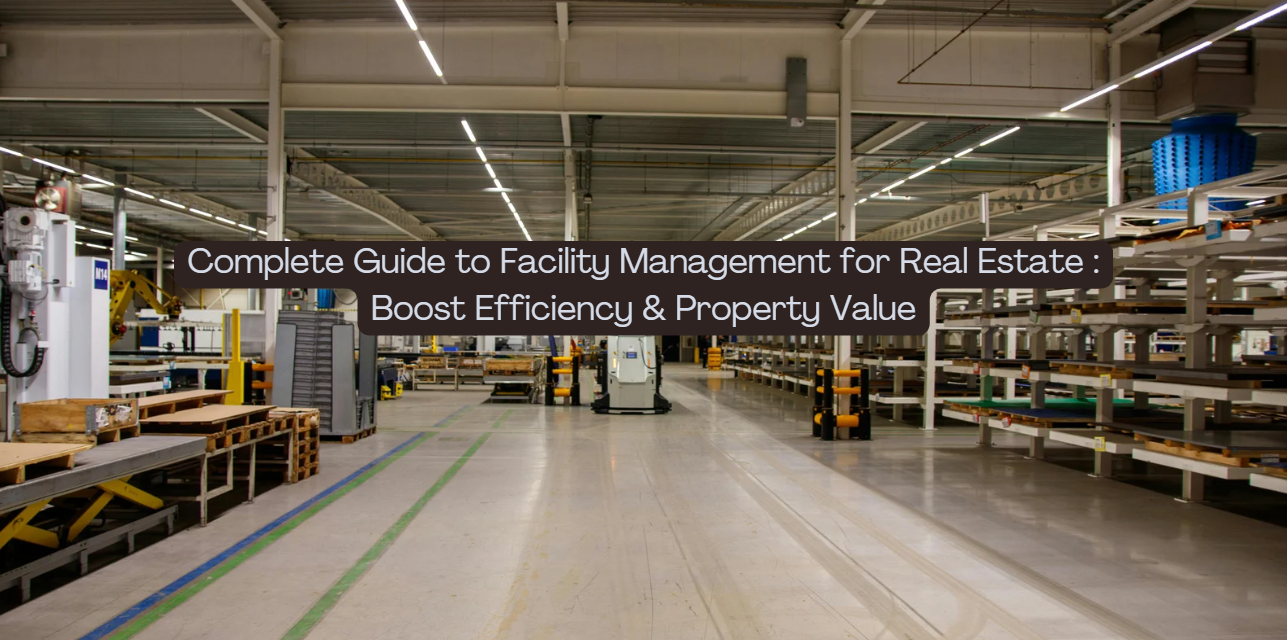
Facility management for real estate refers to the systematic maintenance, operation, and supervision of physical buildings and infrastructure to ensure functionality, safety, and efficiency.
While property management focuses on tenants and leasing, facility management focuses on:
- Building systems
- Infrastructure
- Maintenance
- Operational performance
Together, they create long-term real estate sustainability.
Core Components of Facility Management
1. Maintenance Management
- Preventive maintenance
- Corrective repairs
- HVAC servicing
- Electrical system monitoring
2. Safety & Compliance
- Fire safety inspections
- Emergency response systems
- Building regulation compliance
3. Infrastructure Management
- Plumbing systems
- Elevators
- Lighting systems
- Waste management
4. Cleaning & Sanitation
- Common area cleaning
- Waste disposal
- Hygiene compliance
5. Energy Management
- Utility monitoring
- Energy efficiency optimization
- Cost control strategies
Why Facility Management Is Critical for Real Estate Owners
- Protects property value
- Extends building lifespan
- Reduces operational costs
- Improves tenant satisfaction
- Enhances safety standards
Facility management is the backbone of modern real estate performance.
10 Strategic Benefits of Professional Facility Management
- Lower maintenance costs
- Improved asset lifespan
- Better tenant retention
- Increased property valuation
- Reduced emergency repairs
- Enhanced safety compliance
- Energy cost savings
- Structured vendor management
- Transparent reporting
- Long-term operational efficiency
Facility Management vs Property Management
| Property Management | Facility Management |
| Tenant relations | Building operations |
| Rent collection | Maintenance systems |
| Lease agreements | Infrastructure upkeep |
| Marketing | Technical operations |
Both services are essential for real estate excellence.
Types of Real Estate That Require Facility Management
- Residential towers
- Commercial office buildings
- Retail malls
- Mixed-use developments
- Industrial properties
- Luxury villa compounds
Retaj Real Estate integrates both facility and property management services for complete real estate solutions.
Smart Facility Management Trends in Qatar
- Automated building systems
- Smart energy monitoring
- IoT-enabled security systems
- Sustainable building strategies
- Green property certifications
Modern buildings require technology-driven management.
Key KPIs in Facility Management
- Maintenance response time
- Equipment downtime
- Energy consumption metrics
- Operating cost per square meter
- Tenant satisfaction scores
Professional oversight improves all these metrics.
Common Facility Management Challenges
- Aging infrastructure
- Inefficient vendor coordination
- Reactive instead of preventive maintenance
- Budget overruns
- Safety compliance gaps
A structured facility management system prevents these risks.
How Retaj Real Estate Delivers Excellence
Retaj combines:
- Technical expertise
- Preventive maintenance systems
- Vendor coordination
- Energy optimization
- 24/7 support
FAQ – Facility Management for Real Estate
- What is facility management in real estate? It involves maintaining and operating building systems to ensure safety, efficiency, and comfort.
- Why is preventive maintenance important? It reduces major repair costs and extends asset lifespan.
- Is facility management only for large buildings? No. Even mid-sized residential or commercial properties benefit.
- How does facility management reduce costs? Through preventive strategies, energy optimization, and efficient vendor contracts.
Conclusion
Facility management is the operational engine behind successful real estate investments. Without proper systems, even premium properties lose value over time. With structured, professional oversight from Retaj Real Estate, property owners gain efficiency, stability, and long-term profitability.